Basketball, a sport that has captivated audiences for decades, is known for its dazzling displays of skill and athleticism. Among the many moves that have become iconic in the game, the crossover dribble stands out as one of the most electrifying. This deceptive maneuver, in which a player quickly shifts the ball from one hand to the other, has revolutionized the way the game is played. In this article, we will explore the fascinating history and evolution of the crossover dribble, from its humble beginnings to its status as a staple move in the modern game.
The Origins: Tim Hardaway and the Birth of the Crossover
The crossover dribble, as we know it today, owes its origins to the creative genius of Tim Hardaway. Hailing from Chicago, Hardaway showcased his extraordinary ball-handling skills in high school and college, wowing audiences with his ability to manipulate the basketball with finesse. It was during his time at the University of Texas at El Paso (UTEP) that he developed his signature move, which would later become known as the “UTEP two-step” crossover.
Hardaway’s crossover was a game-changer. It allowed him to create separation from defenders, effortlessly changing direction and leaving opponents in their tracks. With his unique blend of speed, agility, and creativity, Hardaway took the crossover to new heights, mesmerizing fans and striking fear into the hearts of his opponents.
The Impact: Popularization and Influence
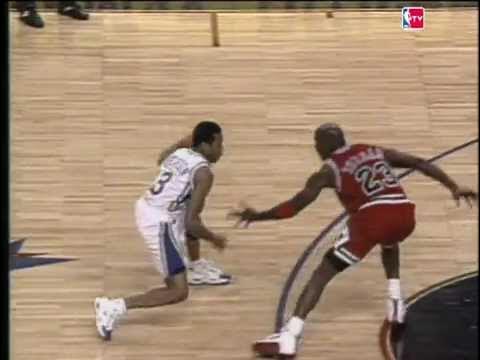
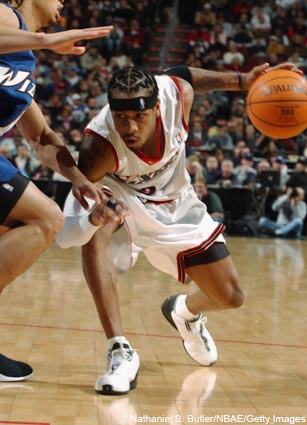
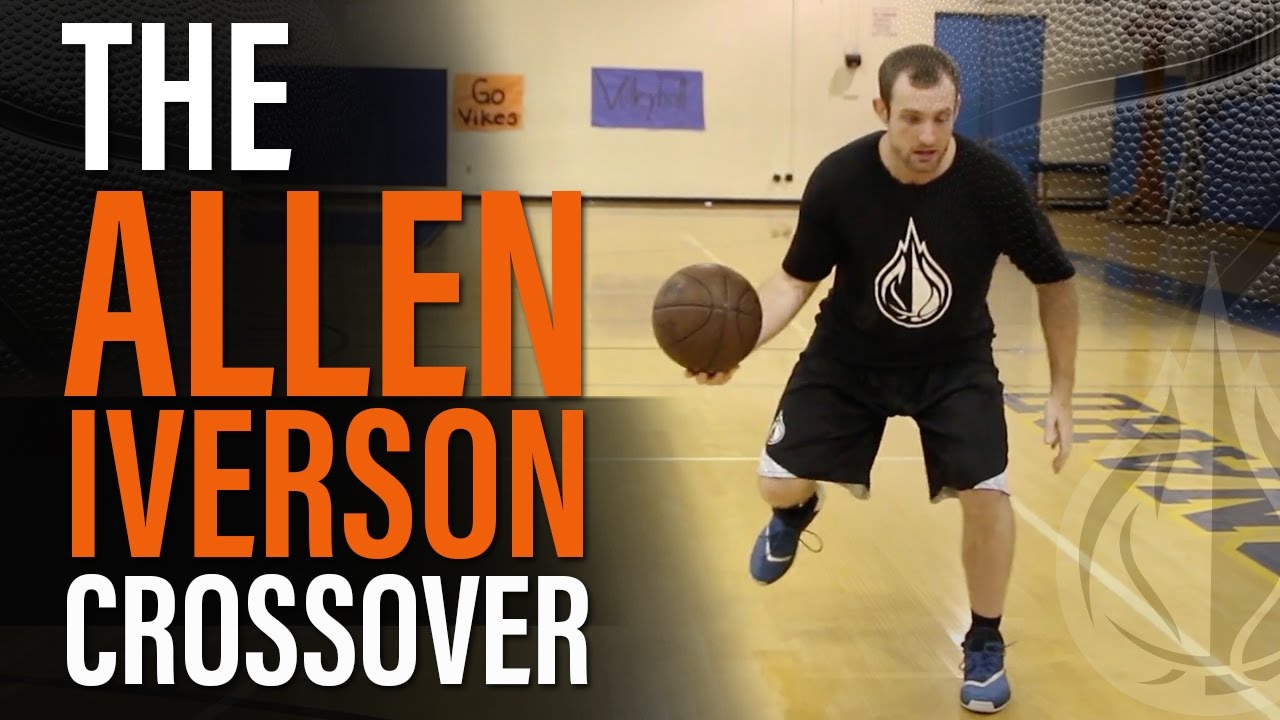
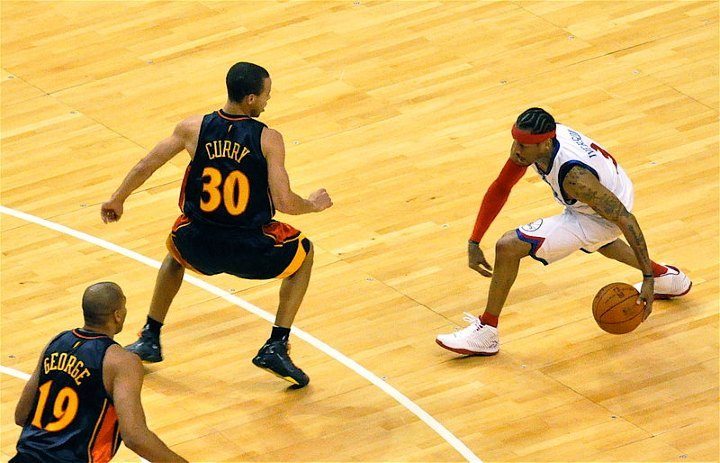
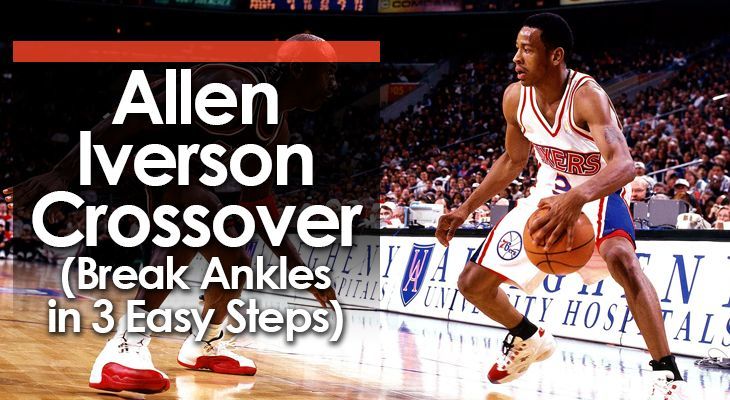
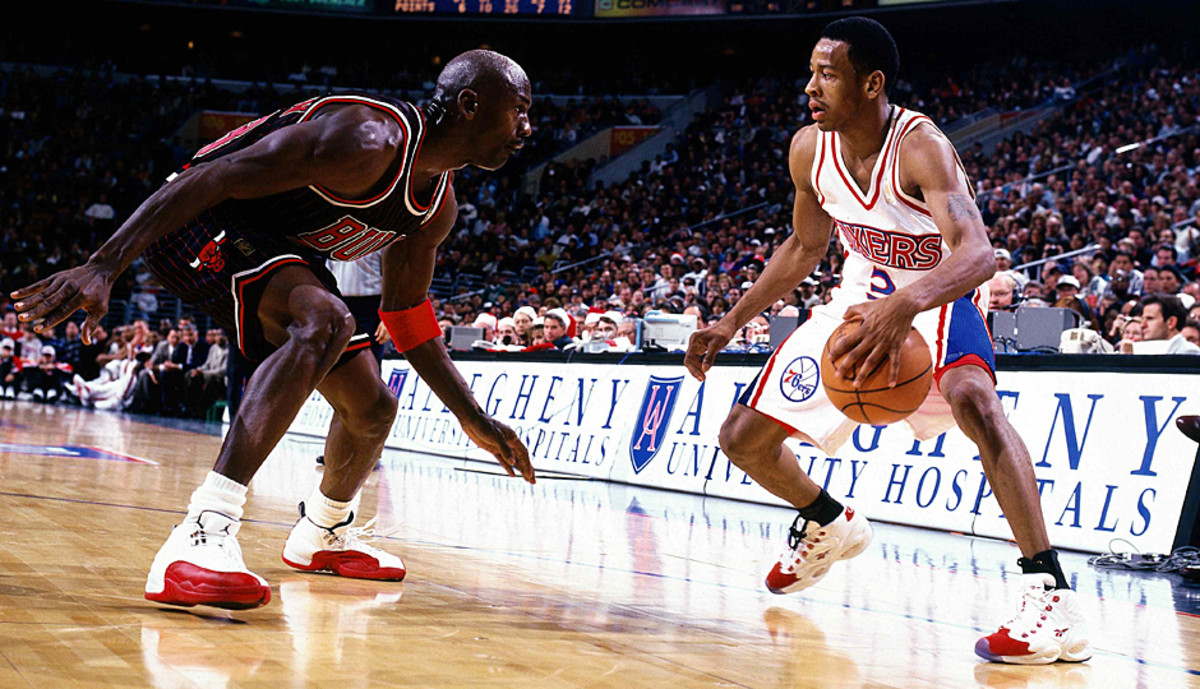
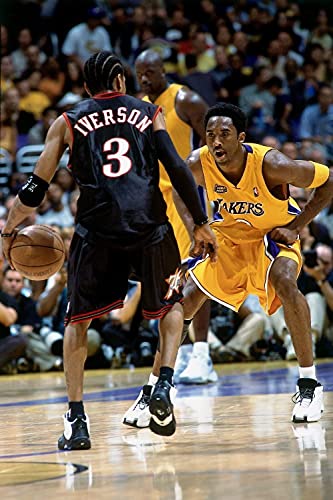
While Tim Hardaway may have been the pioneer of the crossover dribble, its true impact and widespread popularity can be attributed to the rise of Allen Iverson. The diminutive guard from Georgetown University burst onto the NBA scene in the late 1990s, captivating audiences with his electrifying style of play. Iverson’s crossover became his trademark move, and he executed it with a flair and intensity that made it unforgettable.
Iverson’s crossover had a profound influence on the game. It inspired a generation of young players to emulate his style, and soon, the crossover dribble became a staple move in basketball courts around the world. As other NBA stars, such as Kyrie Irving and Stephen Curry, developed their own versions of the crossover, the move continued to evolve and take on new dimensions.
The Artistry: Styles and Variations
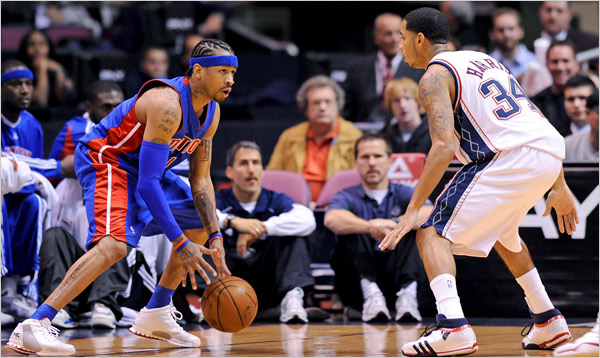
One of the most fascinating aspects of the crossover dribble is the wide range of styles and variations that players have brought to the table. Each player brings their own unique flair and creativity to the move, making it a reflection of their individual playing style. From the lightning-quick crossovers of Allen Iverson to the mesmerizing handles of Kyrie Irving, the crossover has become a canvas for artistic expression on the basketball court.
There are several notable variations of the crossover dribble that have captivated audiences over the years. The “in and out” crossover, popularized by players like Tim Hardaway and Jamal Crawford, involves a quick fake in one direction before explosively changing direction with a crossover dribble. The “behind-the-back” crossover, often seen in the repertoire of players like James Harden and Chris Paul, adds an extra element of deception by incorporating a behind-the-back dribble before executing the crossover.
From Ankle-Breakers to Cultural Phenomenon
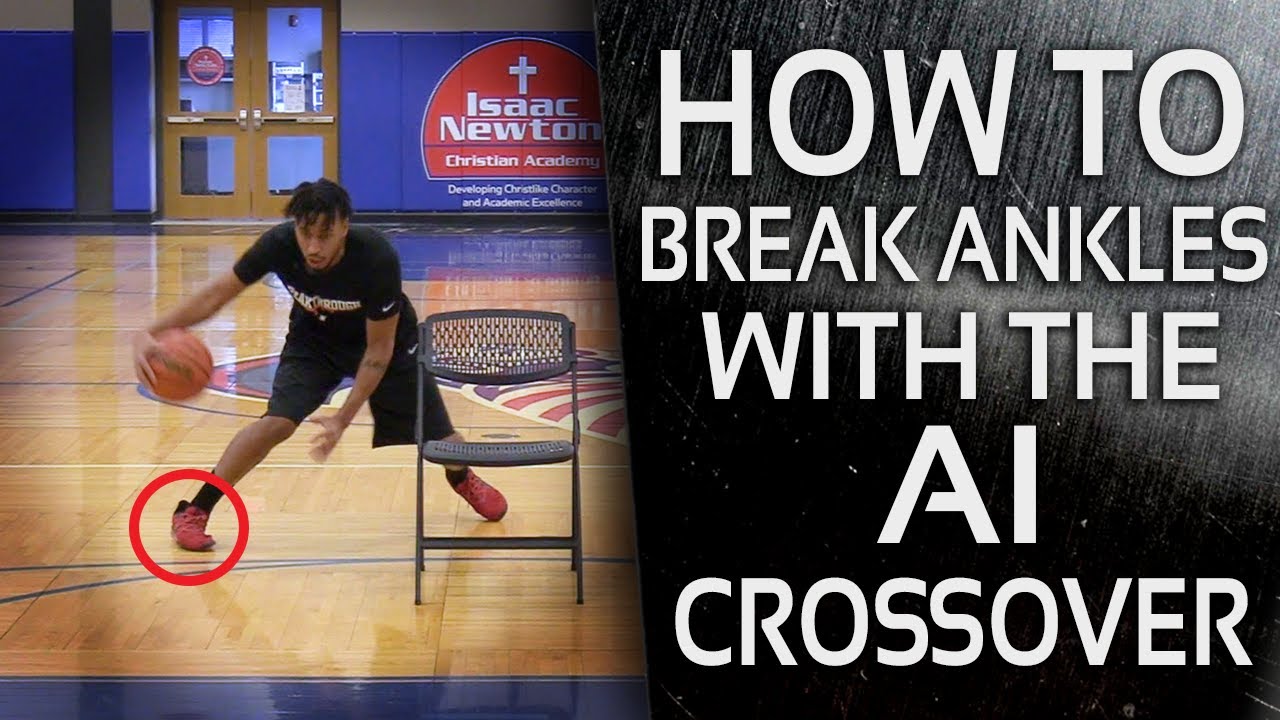
The crossover dribble has transcended the boundaries of basketball and become a cultural phenomenon. Its ability to leave defenders stumbling and grasping for air has made it a favorite highlight reel moment for fans around the world. The internet is filled with compilations of ankle-breaking crossovers, showcasing the artistry and athleticism of the players who possess this skill.
Beyond the entertainment value, the crossover dribble has had a significant impact on the way the game is played. It has become a go-to move for players looking to create scoring opportunities for themselves or their teammates. The ability to change direction and leave defenders flat-footed has become a crucial weapon in the arsenal of every guard in the modern game.
The Future of the Crossover Dribble
As basketball continues to evolve, so too will the crossover dribble. With each new generation of players, the move will take on new dimensions and variations. The boundaries of what is possible with the crossover will be pushed, as players continue to innovate and find new ways to deceive defenders.
In the world of basketball, the crossover dribble is here to stay. It has become an integral part of the game, a symbol of creativity and skill. Whether it’s a playground pickup game or an NBA Finals showdown, the crossover dribble will continue to captivate audiences and leave a lasting impact on the sport we love.
So, the next time you witness a player execute a jaw-dropping crossover, take a moment to appreciate the history and evolution of this remarkable move. It is a testament to the artistry and innovation that defines the game of basketball.
“The crossover dribble is a work of art, a symphony of skill and deception. It is a move that brings joy to players and fans alike, a reminder of the boundless creativity and athleticism that the game of basketball offers.” – Anonymous